Zerotime
Internship Project
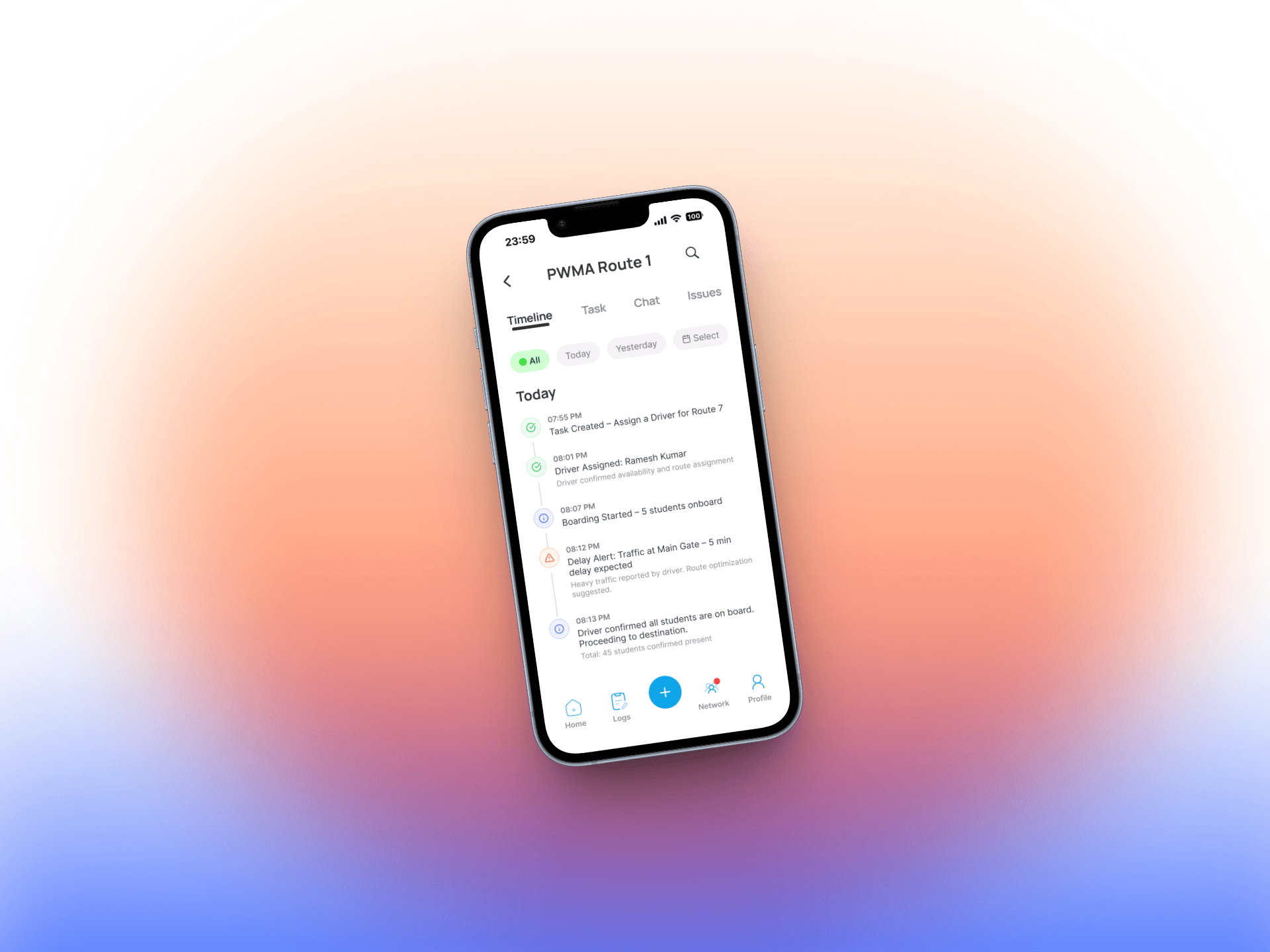
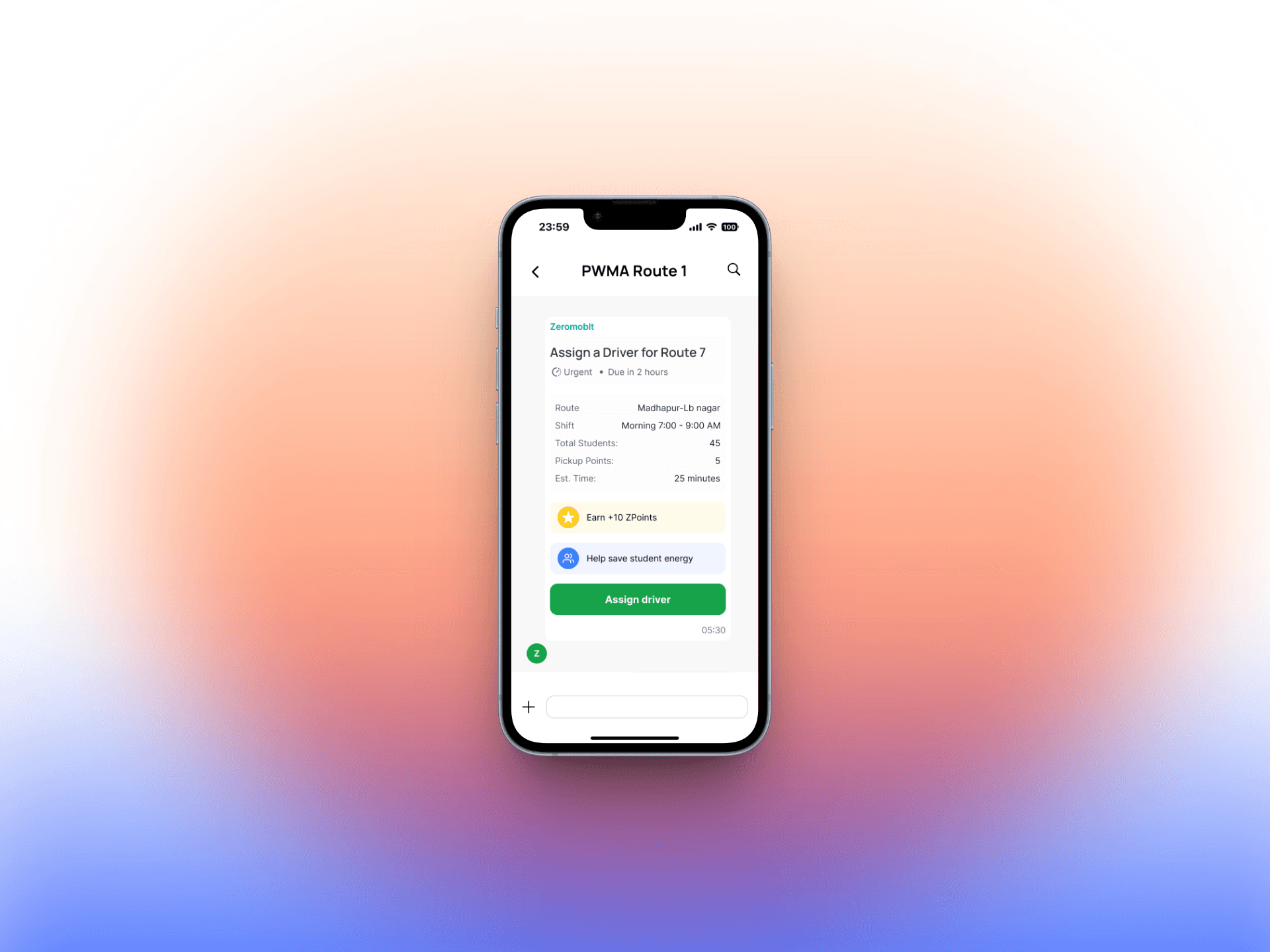
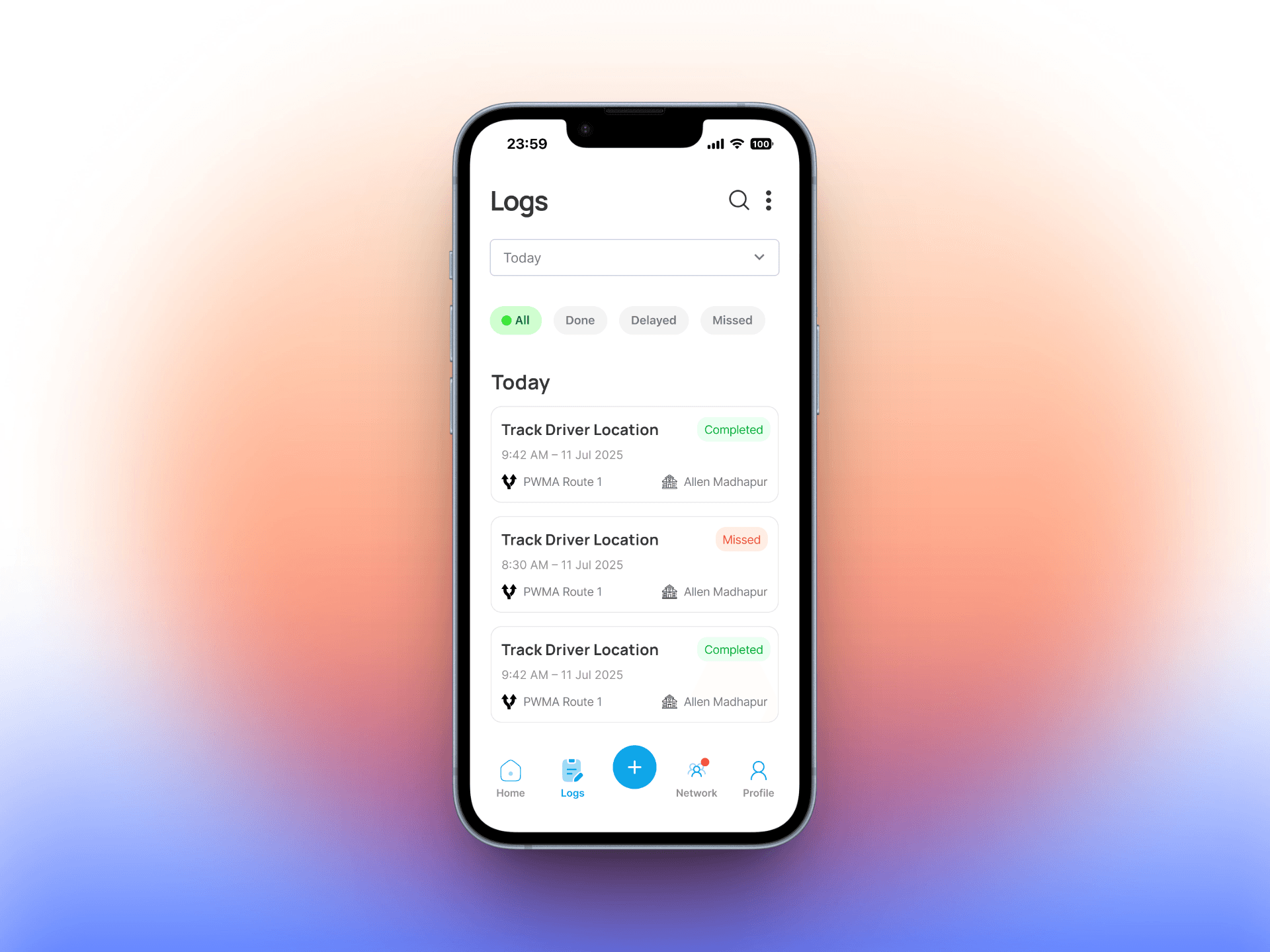
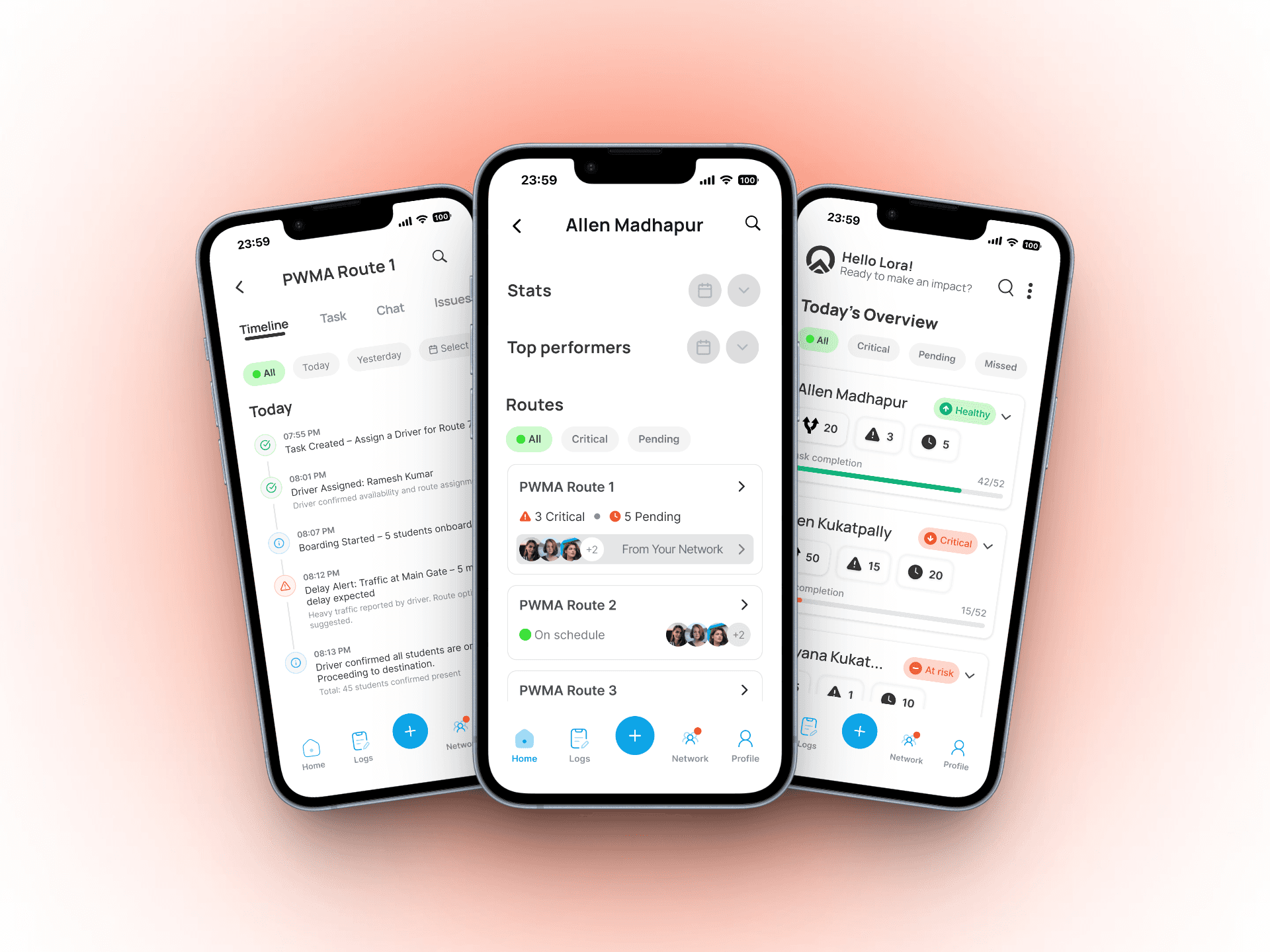
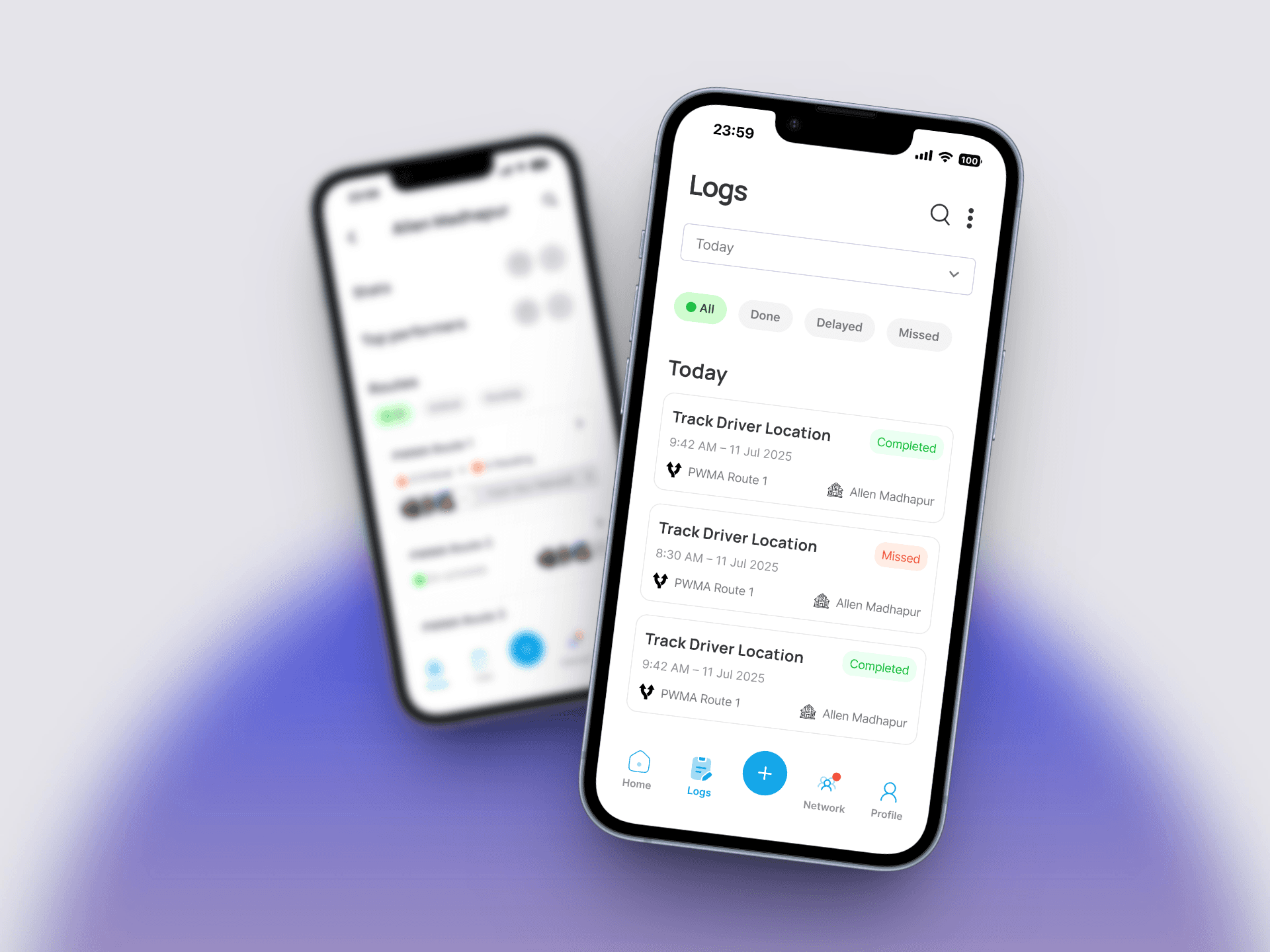
ZeroMoblt is building a student-centric mobility platform, with a vision to improve safety, efficiency, and overall student well-being. As part of this mission, we designed Zerotime, a mobile app that replaces fragmented dashboard tools and streamlines daily operations for supervisors, vendors, and staff. I co-led the end-to-end design process, shaping the product from wireframes to high-fidelity prototypes focusing on navigation hierarchy, card-based layouts, and accessibility-driven design to deliver a smooth and scalable experience.
Client:
Zeromoblt
Role:
UX Designer
Year:
2025
Challenge
Operations were locked into a web dashboard that assumed people were seated, connected, and patient none of which reflected how work actually happened on the ground. Supervisors, vendors, and staff were forced to operate across fragmented tools, despite sharing the same workflows, creating friction instead of coordination. Information surfaced without hierarchy or intent, making even simple decisions slower and more error-prone. Beneath this, there was no scalable structure for task ownership or accountability, which not only weakened execution but completely blocked the system from evolving into a gig-ready model with participation, incentives, and rewards.
Objective
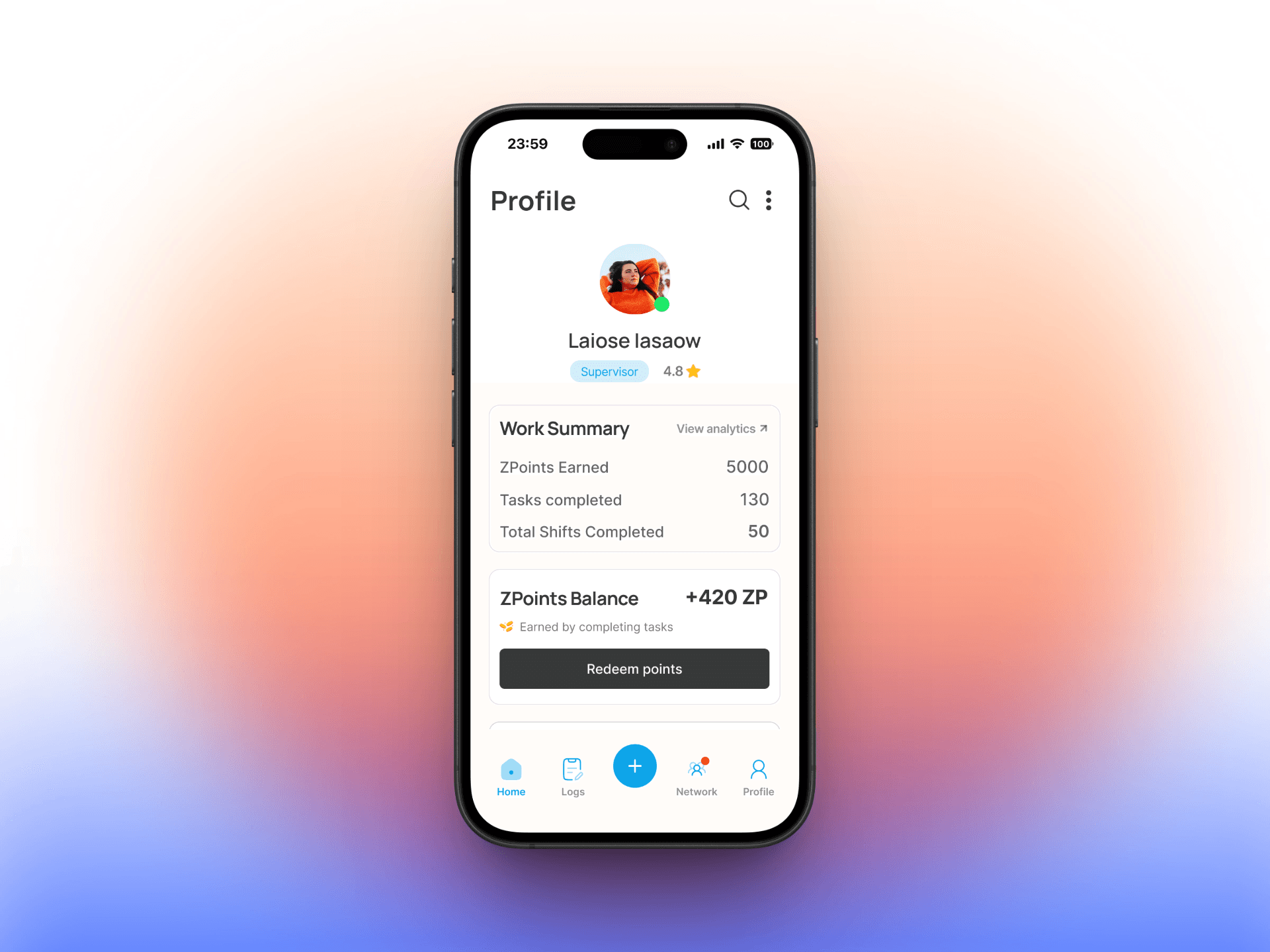
The solution restructured the system around mobile-first execution, replacing static dashboards with scalable UI components and flows designed for use in motion. A clear navigation hierarchy—Campus → Routes → Tasks, anchored users in context, while card-based layouts for tasks, logs, and status updates reduced cognitive load and made critical information immediately scannable. Onboarding, OTP-based login, and profile flows were intentionally simplified to remove friction at entry and daily use. Accessibility-driven design decisions improved readability and clarity across roles. Most importantly, the system established a future-ready foundation for a gig-based model, enabling clear task ownership, accountability, and reward mechanisms through ZPoints without redesigning the core architecture.
Results
The MVP consolidated previously fragmented, dashboard-dependent operations into a single mobile-first system, enabling supervisors, vendors, and staff to manage tasks within one shared workflow. Task execution and visibility were streamlined across roles, reducing coordination friction and making on-ground operations actionable in real time. With the core architecture validated, the product has moved into development and now serves as the structural base for future releases. This MVP also establishes the platform’s long-term direction toward a gig-based mobility ecosystem, where users can independently take ownership of tasks, earn rewards, and actively contribute to student mobility at scale.